

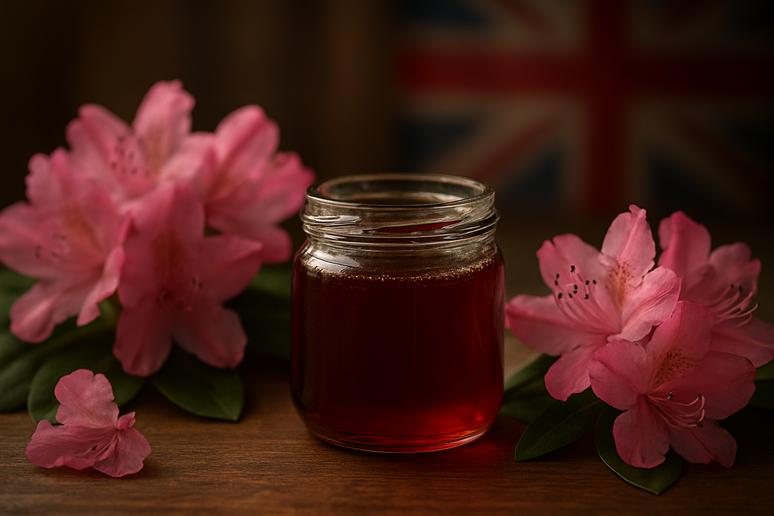
Mad honey is one of those fascinating natural products that’s been turning heads worldwide for centuries. It’s got this rich cultural and historical vibe, often used in different parts of the world for medicinal reasons and, let’s not forget, its mind-altering effects. No wonder folks often wonder about its legal standing in various countries.
One question I keep hearing is, “Is Mad Honey in the UK legal?” So, let’s dive into that and clear up the legal picture surrounding mad honey in the UK. Along the way, we’ll unpack its legality, the health risks you should watch out for, and some tips on how to find it safely if you’re interested. Basically, this is your go-to guide on mad honey in the UK.
What is Mad Honey? Understanding Its Unique Properties
So, what exactly is mad honey? It’s a type of honey made from the nectar of specific rhododendron plants, mostly found in places like Nepal, Turkey, and the Black Sea region. Unlike your everyday honey, mad honey contains these natural neurotoxins called grayanotoxins, and that’s what gives it its punch.
These grayanotoxins are why mad honey isn’t the same as regular honey. Historically, people have used it in small doses for its medicinal perks, like helping with high blood pressure or digestive issues. But here’s the kicker—take too much, and you’ll feel some intense psychoactive effects. It’s not your typical sweet spread!
The Legal Status of Mad Honey in the UK
Now, about the legality—this is where things get a bit murky. In the UK, mad honey isn’t officially labeled as illegal or a controlled substance like you might expect. The Food Standards Agency (FSA) actually considers mad honey a food product, so its sale follows general food safety rules.
But—and it’s a big but—because of those grayanotoxins, mad honey sits in a sort of “gray area.” These toxins can cause some nasty side effects if you go overboard. The FSA keeps an eye on food safety and would step in if mad honey started causing health problems or if it was sold without proper warnings.
Here’s an interesting fact: grayanotoxins fall under the category of “novel psychoactive substances” (NPS) according to the Psychoactive Substances Act 2016. This law bans making, selling, or supplying NPS intended to get you high. But it mostly targets synthetic substances, not natural ones like grayanotoxins. So, mad honey’s legality often hinges on how it’s marketed. If a seller pushes it as a hallucinogen or psychoactive product, that’s probably a no-go legally. This little detail is key for anyone wanting to buy or sell mad honey in the UK. For a detailed look at the legalities and purchasing advice, check out our guide on Where to Buy Mad Honey in the UK—And Is It Even Legal?
Health Risks and Safety Considerations of Mad Honey Consumption
Eating mad honey isn’t without risks. Thanks to the grayanotoxins, taking mad honey in uncontrolled amounts can lead to anything from feeling a bit off to some pretty serious problems. One tricky part? The level of toxins can vary a lot from batch to batch, so knowing what a “safe” amount is can be nearly impossible.
Some common warning signs if you’re poisoned by mad honey include dizziness, nausea, vomiting, and blurry vision. You might sweat a lot, your blood pressure could drop, and your heart rate might slow down. People sometimes report feeling calm or even euphoric, but also get a burning feeling in their throat. Usually, these symptoms pop up within 30 minutes to a few hours after eating.
If things get worse, you might see irregular heartbeats, temporary paralysis, or seizures. In extreme cases, there’s unconsciousness, breathing problems, or blue-tinted skin. While it’s rare, mad honey poisoning can even lead to shock or be fatal. The UK’s health authorities don’t mess around—they warn strongly against selling honey for its psychedelic vibes because of these risks. So yeah, knowing about these effects is super important when thinking about trying mad honey.
Where to Buy Mad Honey in the UK: Avoiding Scams and Ensuring Authenticity
Looking to buy mad honey in the UK? Be prepared—it’s not the easiest thing to find authentic stuff. The market is flooded with scams and mislabeled jars where regular honey is passed off as mad honey. That makes it tricky to get what you’re really after, or even to be sure it’s safe.
If you’ve browsed forums like Reddit’s r/honey, you might’ve noticed folks struggle to find legit mad honey sellers, especially around Southeast UK. There’s a lot of skepticism about online sellers, and rightly so. It’s crucial to do your homework before dropping cash.
When you’re hunting for genuine mad honey, look for sellers who spill the beans about where their honey comes from, share grayanotoxin levels, and ideally show lab test results. Real mad honey tends to be darker, with a slightly bitter or pungent taste. If the price looks too good to be true, it probably is—real mad honey is rare and pricey. Checking reviews and recommendations from other buyers can also save you from a dud.
Legal Implications for Sellers and Consumers in the UK
Both sellers and buyers have to play by the rules here. Sellers must follow strict labeling laws, clearly laying out what’s in the honey and flagging any health risks. Trying to advertise mad honey as some kind of psychoactive miracle? That’s a shortcut to legal trouble.
For sellers, pushing mad honey with unproven health or psychoactive claims can bring serious consequences under food safety and consumer protection laws. Buyers can own mad honey for personal use but should be wise about where they get it from and how it’s sold.
Your best bet? Stick with reputable sellers who are upfront about their product and stick to UK food safety standards. That way, you avoid scams and legal headaches. Following the grayanotoxin honey laws UK has in place keeps everyone safer and on the right side of the law.
FAQs About Mad Honey in the UK
Is it safe to consume mad honey in moderate amounts?
Honestly, any amount of mad honey carries some risk due to grayanotoxins. Taking a little might reduce how bad side effects get, but there’s no guaranteed “safe” dose. It really depends on the toxin level in that batch.
Can I import mad honey into the UK legally?
Generally, yes, mad honey imports are allowed under food product laws. But the Food Standards Agency might give imported honey a close look to make sure it meets UK safety rules.
How to identify authentic mad honey?
Look for mad honey’s signature dark reddish colour, a slightly bitter taste, and a distinct smell. Trusted sellers usually share where their honey comes from and lab results. Steer clear of anything missing clear sourcing or testing info.
What should I do if I experience adverse effects after consuming mad honey?
If you start feeling unwell after eating mad honey, don’t wait—get medical help right away. Make sure to tell the doctors exactly what and how much you ate. Quick action can really make a difference in managing symptoms.
Conclusion
Getting the lowdown on mad honey’s legal status and safety in the UK is super important if you’re thinking of trying it. While it’s legal to possess and consume mad honey since it’s treated as a food product, it’s still tightly regulated. Those grayanotoxins put it in a bit of a legal gray zone, especially when it comes to how it’s sold and marketed.
Knowing the health risks—from mild unease to serious poisoning—is key before you dive in. And if you do decide to get some mad honey, be extra careful. Stick with reputable sellers who are honest about where their honey comes from and what’s inside. Stay informed about UK food rules, and if you’re unsure about consuming it, talk to a health professional. After all, your health and safety should always come first.
Want to stay in the know? Subscribe to consumer protection newsletters for the latest on UK food regulations. And if you’ve got experiences or questions about mad honey, why not share them in UK forums or community groups? Helping each other out is the best way to keep our community safe and informed.