

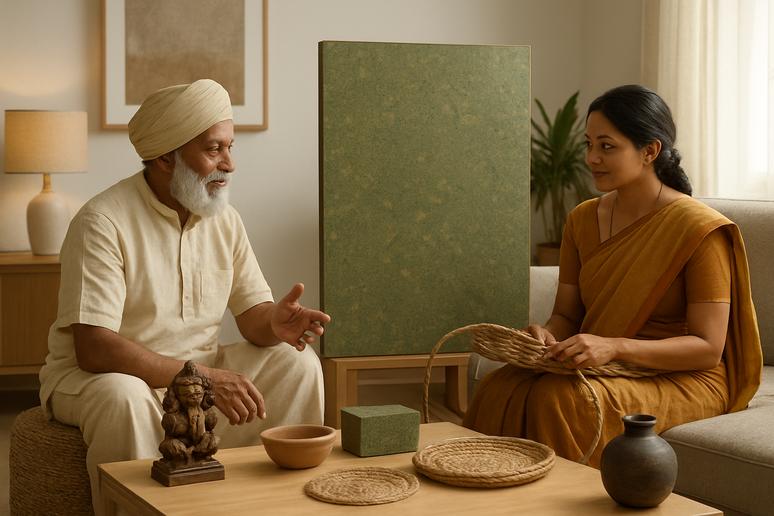
Ottan isn’t just a word; it’s a whole world of meaning, connecting ancient cultural roots with the future of sustainable innovation. Historically, Ottan stands for a diasporic identity—deeply rooted in tradition, migration, and the art of preservation. Fast forward to today, and it’s also the name of a brand pushing the boundaries in sustainability, turning bio-based waste into eco-friendly composite materials. This blend of heritage and modern innovation gives us a fascinating look into how our ancient roots can influence the ways we live and create now, especially in places like the UK where circular economy materials are really catching on. Ottan’s story invites us to appreciate identity, innovation, and caring for the environment all at once.
Understanding Ottan Diaspora: A Historical Perspective
Origins and Meaning of Ottan in Diaspora Communities
The word “Ottan” comes from diasporic communities, especially within South Asian cultures. It refers to people who hold tight to their ancestral ties even while adapting to new environments. It’s all about resilience, preserving traditions, and passing down values through generations. Despite being scattered geographically, the Ottan diaspora keeps language, beliefs, and rituals alive, building a shared memory that holds their community together.
How Ancient Roots Influence Contemporary Identity in the UK
Here in the UK, the Ottan diaspora has played a big role in shaping the multicultural landscape—whether through cultural festivals, food, or educational programs. Those ancient roots give a strong sense of belonging and pride that stays with them as they embrace life in a new country. It’s this mix of old and new that strengthens communities and promotes sustainable lifestyles inspired by traditions that value harmony with the natural world.
Ottan’s Role in Preserving Cultural Heritage Across Generations
For Ottan communities, holding onto culture is key to keeping their identity alive. Storytelling, art, and traditional textiles are like cultural anchors for younger generations, helping ancient customs survive. But it’s more than just preserving history—it sparks modern values around sustainability, clever use of resources, and respect for the environment, which dovetails nicely with today’s ecological efforts.
Ottan in the Context of Sustainable Material Innovation
What is Ottan Material? Overview of Ottan™ Sustainable Materials
Ottan materials represent a real step forward in sustainable design. Made from bio-based waste, they’re engineered into high-performance composite surfaces that look great and last long. What’s cool is how Ottan’s process skips building new factories, helping cut carbon emissions, all while creating eco-friendly composites that have the strength and beauty you’d expect from quality materials.
Bio-Based Waste as a Resource: Tackling the 2 Billion Tonnes Waste Problem
Every year, around 2 billion tonnes of bio-based waste is thrown away worldwide—a massive environmental headache. Ottan flips this script by turning that waste into useful products, showing what circular economy materials in the UK can really do. By using organic refuse to make composite surfaces, Ottan helps reduce landfill overflow and cuts down greenhouse gases, pushing innovation in waste management.
Design and Performance: What Makes Ottan Materials Unique?
What sets Ottan materials apart is their perfect balance between style and strength. Designers and architects love them because they’re durable and look fantastic. These composites stand up well to wear-and-tear while keeping a natural vibe, making them great for everything from home interiors to commercial projects. The real win? They prove that you don’t have to sacrifice quality to go green—a big deal in the competitive UK design scene.
How Ottan Materials Contribute to a Net Zero Future
Ottan materials are a big piece of the net zero puzzle. They’re 100% recyclable and fit right into the UK’s circular economy goals. Plus, because they use existing production setups, there’s no need for building emissions-heavy factories. This approach supports government efforts to shrink carbon footprints and greenify industries. By turning waste into a resource, Ottan promotes a closed-loop system that minimizes reliance on virgin materials and champions eco-responsibility.
The Symbolic Link Between Ottan Diaspora Identity and Sustainable Innovation
Cultural Resilience Reflected in Material Resilience
The durability of Ottan materials mirrors the strength of the Ottan diaspora. Both have faced tough challenges—whether through cultural displacement or environmental pressures—and yet, they’ve adapted and thrived. This connection shows how deep-rooted values like endurance and adaptability don’t just define people but also the materials they create and rely on.
From Tradition to Innovation: How Ancient Ottan Values Inspire Modern Sustainability
Ottan’s ancient values stress living in harmony with nature, conserving resources, and community duty. These ideas are front and centre in the philosophy behind Ottan sustainable materials. They honour natural cycles and cut down waste, carrying forward timeless wisdom into today’s green innovations—which earns trust from both consumers and industries.
The Role of Community and Circularity in Both Identity and Environment
Community is at the heart of sustaining both Ottan identity and circular economy efforts. Just like diaspora groups lean on shared knowledge and support, circular systems rely on cooperation across the supply chain. This interconnectedness builds resilience and efficiency, making a real difference socially and environmentally.
Ottan Materials in Practice: Impact and Applications
Leading Brand Usage and Endorsements in the UK
Big-name UK brands have jumped on board with Ottan materials, attracted by their sustainable edge and stellar performance. These endorsements boost Ottan’s reputation and help push bio-based waste innovation into the mainstream design and construction world.
Examples of Sustainable Products Made with Ottan Materials
From kitchen countertops to office interiors, furniture, and architectural panels, Ottan materials are making their mark. Each product highlights how eco-friendly composites can fit seamlessly into daily life, helping UK consumers make greener choices without sacrificing style or function.
Benefits for UK Industries: From Design to Environmental Impact
The ripple effects for UK industries are pretty impressive. Ottan materials help cut waste and emissions while offering designers versatile, beautiful options. Businesses hit sustainability goals and gain a competitive edge at the same time. It’s a win-win that drives economic growth and protects the environment, living up to circular economy materials UK ideals.
Challenges and Future Outlook for Ottan Materials and Diaspora Communities
Current Limitations and Areas for Growth in Sustainable Materials
As promising as Ottan materials are, there are hurdles—like scaling up production, keeping supply chains steady, and getting the word out to consumers. More research could improve material qualities and cut costs. Plus, boosting awareness about the benefits of bio-based waste innovation is key to gaining ground in the competitive UK market.
Opportunities for the UK Market and Diaspora-Led Innovation
The UK is ripe with opportunities, backed by government pushes for sustainable products and circular economy strategies. Diaspora communities, blending tradition with fresh ideas, are uniquely positioned to lead this charge. Their heritage and entrepreneurial grit can spark new sustainable business models grounded in culture.
How Ottan Diaspora Identity Can Foster Sustainable Business Models
Ottan diaspora identity encourages a big-picture view—balancing economic, environmental, and social factors that are crucial to sustainability. Their history of resilience and community-building offers a solid blueprint for businesses striving to embed sustainability into their core. This identity-driven approach builds trust, authenticity, and lasting impact—not just for Ottan materials but beyond.
Conclusion
Ottan powerfully blends ancient diasporic identity with cutting-edge sustainable innovation. Its roots remind us of cultural resilience, while its materials point toward an eco-friendly manufacturing future, harnessing bio-based waste and circular economy principles. Both in the UK and across the globe, Ottan’s story challenges us to see sustainability not just as a goal but as a heritage and responsibility. It urges communities, brands, and individuals alike to embrace innovation grounded in timeless values. Will Ottan inspire a wider movement toward identity-led sustainability? That’s a question with the potential to shape our planet’s future for generations to come.