

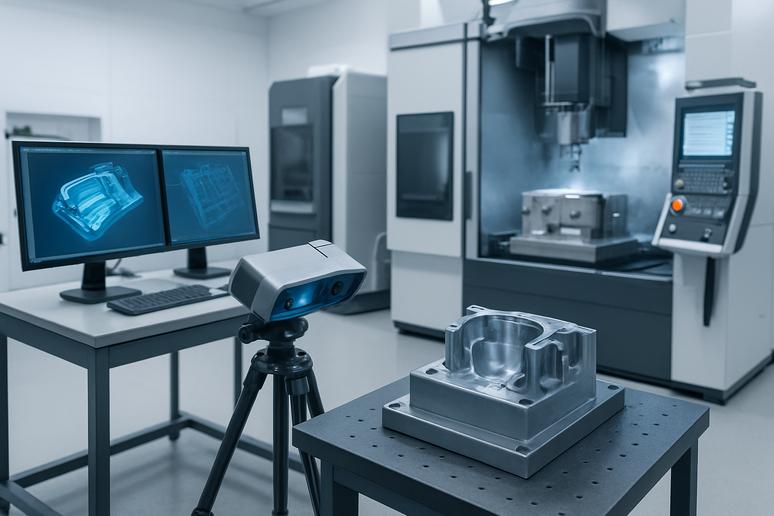
So, what’s Repmold all about? Think of it as a clever mix of digital scanning and high-tech manufacturing that’s changing the mold-making game. It starts by capturing every tiny detail of a physical object using precise 3D scanning. This means no more guesswork or hitting roadblocks because the digital model is super accurate.
Once scanned, the data transforms into a detailed digital blueprint that’s like the master plan for the mold. What’s really cool is that this tech isn’t just about copying — it lets designers tweak and adjust molds quickly without having to start over from scratch. That’s a huge step up from the traditional way, where a single mistake could mean hours of rework.
Unlike older methods that rely heavily on manual labor (and all the little errors that come with it), Repmold rides on digital precision and automation. The result? Faster turnaround, fewer material flubs, and a big edge when tackling complicated projects.
How Does Repmold Come to Life? The Step-by-Step
Alright, let’s break down how this all actually happens. First off, there’s the design phase — where a digital model of the desired object is carefully crafted. Imagine every curve and crevice being captured like a digital fingerprint.
Then, this digital file is prepped for manufacturing, either by 3D printing or CNC machining — depending on how complex the mold needs to be. One method builds the mold up layer by layer, while the other carves it out from solid material. After that, there’s some finishing work like sanding or polishing to make sure the surface looks and feels just right.
Everything in this process is tuned for speed, accuracy, and making the best use of materials — it’s like the production equivalent of working smarter, not harder.
Where Is Repmold Making Waves in the UK?
The beauty of Repmold is just how many industries it’s shaking up. Whether it’s speeding up production or handling tricky designs, this technology is quickly becoming a staple in the UK manufacturing scene.
Automotive Industry
In cars, Repmold really shines by helping create complex parts faster and cheaper. Car makers get to prototype quickly and perfect those intricate components that make a difference on the road, especially when it comes to lightweight materials that help with fuel efficiency and meeting emission rules. It’s a great fit for a market that’s always racing against the clock.
Aerospace Sector
Over in aerospace, accuracy is everything, and Repmold delivers lightweight, precise molds essential for making safe, high-performance aircraft parts. It’s not just about cutting weight but keeping the parts strong and reliable — which matters hugely when seconds count. Plus, it’s a big help when working with advanced composite materials and hitting the strict quality controls the industry demands.
Consumer Goods and Packaging
Ever notice how product packaging seems to get flashier by the day? Repmold lets businesses jump on trends fast by enabling rapid prototyping of unique and ergonomic designs that really pop on the shelves. Whether it’s a seasonal must-have or a limited-edition item, companies can turn ideas into production quicker, keeping up with ever-shifting consumer tastes.
Healthcare and Medical Devices
Healthcare benefits a ton from Repmold too. It’s like tailor-making molds for implants and prosthetics, ensuring a snug fit and meeting those super tight regulatory standards. In my experience, nothing beats precision when you’re dealing with medical tools or devices that have to be sterilized and extremely accurate. This tech supports that level of care perfectly.
Fashion, Electronics, and Other Sectors
And Repmold isn’t stopping there. Fashion and electronics sectors are starting to embrace this tech for small-batch or custom production. Imagine detailed components for shoes or accessories, or sleek, custom-fit casings for gadgets — all made with tight tolerances and speed. It opens doors to personalization and niche markets that demand something a little extra special.
Why Repmold Beats Traditional Mold Making Hands Down
Here’s the kicker: Repmold speeds things up dramatically. What used to take weeks is now done in days. Faster production means quicker product launches, which is kind of a big deal. On top of that, the digital nature means fewer errors sneak in, so the final molds are spot-on — which cuts down on waste and costs.
Then there’s the design freedom. Making tweaks or trying new ideas is way easier, without the headache of starting all over again. Plus, using materials more efficiently adds an environmental bonus.
Why UK Manufacturers Should Give Repmold a Serious Look
If you’re in the UK manufacturing scene, Repmold is worth a close look for the savings it offers on both time and cash. Less wasted material, less manual labor — means better budgets and happier bottom lines. And speeding up product cycles means you can keep up with market changes and customer demands without breaking a sweat.
From what we’ve seen, companies already using digital mold replication are seeing real returns and smarter use of resources. It’s a solid way to stay competitive and keep your innovation game strong.
What’s Next for Repmold? The Future Looks Bright
The future of Repmold is packed with exciting possibilities. Imagine AI stepping in to optimize processes and tweak designs on the fly — it’s not science fiction anymore. We’re also expecting new materials, including sustainable and biocompatible options, which will widen the uses to areas like medical devices and eco-friendly consumer products.
Customization in real-time could shake up industries like fashion and architecture, making production more personal and less wasteful. Plus, with UK’s Industry 4.0 ambitions rapidly advancing, Repmold fits perfectly into this digital transformation puzzle. According to Gemini Online Research Agent, the UK Industry 4.0 market is set to hit over $30 billion by 2030 — that’s some serious momentum.
Wrapping It Up
No doubt about it, Repmold is changing the mold-making world for good. By harnessing digital replication technology, it offers a smoother, faster, and more flexible way to produce molds, leaving traditional methods in the dust.
This tech brings a ton of benefits across numerous sectors — from tricky automotive parts to custom medical devices. For UK manufacturers eyeing future-proof solutions, hopping on the Repmold train is more than a smart choice; it’s becoming a must-have. It promises sharper operations, a stronger competitive edge, and a greener, more digital-ready tomorrow.