

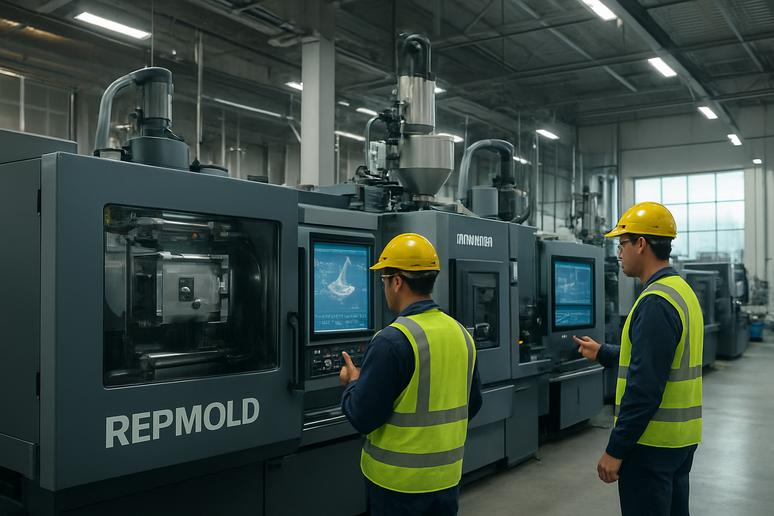
In the ever-evolving world of manufacturing, staying ahead means grabbing onto innovations that boost efficiency and precision. One of these game-changers making waves is Repmold. It’s reshaping how products come to life. If you’re running a business and want to ramp up production efficiency, improve product quality, and save costs, getting to know Repmold is a smart move. It’s not just another tech buzzword — it’s a real shift away from old-school manufacturing methods.
In this article, we’ll break down what Repmold is all about, where it came from, and why it matters so much. You’ll learn about its main features, how it’s designed, and the many ways it’s used across different industries. By the time you’re done reading, you’ll see why Repmold is more than a passing trend—it’s a must-have for competitive manufacturing in the UK and beyond.
What Is Repmold? Understanding the Basics
Put simply, Repmold is a special tool or system designed with pinpoint accuracy and rock-solid reliability to shape materials. It’s a key player in modern production, making sure materials get molded consistently, every single cycle. And that consistency? It’s a big deal, especially in industries where high standards are non-negotiable.
The real strength of Repmold lies in its ability to deliver unmatched repeatability and precision. That’s what sets it apart from older, less reliable molding techniques. You get products coming off the line that meet exact specs — every time. This tight control slashes variations and pushes overall product quality way higher.
The History and Evolution of Repmold Technology
Back in the day, molding was mostly a manual affair, which was less precise and, frankly, a bit hit or miss. Early shaping methods just couldn’t keep up with the growing demand for uniform parts. That meant product quality took a hit, causing inefficiencies and wasted materials.
Things really changed when industrial machines and digital design tools entered the scene, making mold creation way more accurate and consistent. Fast forward to today, and Repmold systems combine detailed computer modeling, high-tech materials, and full automation. Thanks to this evolution, manufacturers can now handle tougher production demands with unmatched control and efficiency.
Key Benefits of Using Repmold in Manufacturing
Using Repmold in your manufacturing process means you get seriously improved product consistency. Every single product matches the exact dimensions needed, which is crucial for your brand’s reputation and keeping customers happy. Basically, you can count on your products to perform as expected.
On top of that, Repmold speeds up production cycles. Faster cycles mean more products made and higher output overall. And get this—it also slashes material waste and reduces defect rates, which adds up to big cost savings. Chloe Mullaney points out that it also boosts product quality, with smoother finishes and more reliability across all kinds of manufactured goods.
Core Features of Modern Repmold Systems
The latest Repmold setups are built tough to last, even under grinding manufacturing conditions. They’re designed to minimise downtime and aren’t the type you’ll need to swap out all the time. This durability is a major plus for keeping production humming along smoothly.
What’s more, they’re compatible with a huge range of materials — plastics, rubber, metals, composites, you name it. Whether you’re dealing with complex shapes or intricate designs, these systems can handle it. Plus, they work perfectly with automation gear and digital quality checks, so you get consistent excellence every time.
How Repmold Transforms Production Processes
Here’s the cool part: Repmold revolutionizes production by cutting down waste massively. How? By reducing rejected parts and the time and money lost on fixing mistakes. This precision saves resources and lowers your operating costs. It’s a real win for sustainable manufacturing efforts.
It also keeps things running more smoothly on the shop floor. Less chance of delays or bottlenecks means your workflow stays efficient, and that positive vibe boosts team morale. A more organised, less stressful workplace helps everyone perform better. Plus, Repmold’s reliability makes it easier to scale production and adapt fast when customer demands change.
Design Principles Behind Effective Repmold Systems
If you want a Repmold system that really works, computer-aided design (CAD) and simulation are your best friends. They let engineers dive deep into details — like cooling channels, wall thickness, and how material flows — so you avoid costly hiccups before building the actual mold. This upfront work is key to making sure everything runs smoothly.
Designing a mold is a balancing act between keeping it simple and being precise. You don’t want to end up chasing redesigns or delays. Engineers also focus on stress points and durability, making sure the mold can take the daily grind and still keep hitting that accuracy sweet spot.
Applications of Repmold Across Industries
Repmold isn’t just for one field—it’s everywhere. In medical device manufacturing, it creates precise parts like device housings. The automotive world relies on it heavily for interior parts and other components. It’s a go-to in packaging too, from rigid containers to flexible packaging, making sure everything stays consistent and reliable.
It also plays a big role in consumer electronics and industrial tools, guaranteeing precision and dependability. Even small businesses and startups are jumping on board because Repmold helps cut lead times and significantly boost product quality.
Challenges and Solutions When Using Repmold
Of course, no technology comes without its challenges. With Repmold, issues like wear and tear, heat damage, alignment glitches, and tricky setups can pop up. If you don’t deal with these head-on, they can slow things down.
How do you stay ahead? Regular maintenance and solid operator training are musts. Upgrading cooling systems and choosing top-quality materials for molds go a long way in boosting lifespan and performance. And don’t underestimate picking the right Repmold supplier—someone with certifications, experience, and dependable support can save you headaches down the road.
Sustainability and Innovation in Repmold Technology
Repmold isn’t just about making things better—it’s doing it responsibly. By cutting down scrap material and optimizing energy use, it’s a friend to the environment and fits nicely with sustainable manufacturing goals.
Innovations keep coming thick and fast. Think advanced automation, smart sensors, and digital twins that forecast wear and performance. Looking ahead, AI-driven molds and self-adjusting systems look set to take things even further, along with a push towards using recycled materials in mold construction. The future sure looks exciting for Repmold.
Installation, Maintenance, and Safety Practices for Repmold
Setting up Repmold equipment isn’t just plug-and-play. It requires careful calibration, precision alignment, and thorough safety checks. Temperature controls, pressure limits, and emergency stops need to be spot on to avoid problems later.
Keeping it running smoothly means sticking to a routine of cleaning, pressure checks, lubrication, and inspections to catch issues early. Safety’s a big deal too: using Personal Protective Equipment (PPE), following lockout procedures, and watching out for hot surfaces are all essential. Training your team on how to operate Repmold safely and troubleshoot common problems — like parts sticking or air pockets — makes all the difference for keeping production smooth.
Case Studies: Real-World Success With Repmold
There are plenty of inspiring stories about how Repmold changes the game. For example, a leading packaging company boosted its output by 30% after introducing a new Repmold design. That jump gave them a solid edge in their market.
Then there’s an automotive supplier who slashed defects by half within a few months thanks to Repmold technology. These real-world wins show how adopting Repmold can lead to measurable improvements in productivity and quality across industries. Pretty impressive, right?
Frequently Asked Questions (FAQs) About Repmold
- What is Repmold used for?
It’s used to shape different materials accurately, helping manufacturers maintain consistency across batches. - Is Repmold expensive, and how does it impact costs long-term?
It does need an upfront investment, but the long-term savings from less waste, better efficiency, and higher product quality often outweigh the initial cost quickly. For context, the UK’s rubber and plastic product manufacturing market, worth £104.8 billion in 2024, shows just how big an impact these investments can have. - Can Repmold handle complex designs?
Absolutely. Modern Repmold systems are built to handle intricate shapes and detailed designs with high precision. They’re super adaptable. - How long does a Repmold typically last?
With good care and depending on how intense the operation is, a Repmold system can last for several years. That’s a major plus for keeping production steady over time. - Is Repmold suitable for small businesses?
For sure! It’s great for small businesses and startups because it cuts down rework and speeds up delivery, which helps manage resources smartly and keep customers happy. Plus, it scales well as you grow. - Does Repmold contribute to sustainable manufacturing?
Yes, it helps reduce scrap, lowers energy use during production, and means fewer defective parts, all leading to a smaller environmental footprint.
Conclusion: Why Repmold Is Essential for Modern Production
At the end of the day, Repmold is one of the most reliable and effective tools out there for boosting product quality and speeding up manufacturing. Its core strengths—consistent output, high efficiency, and big cost savings—mean it’s essential for businesses, big or small.
With the UK plastics market expected to hit $15,304 million by 2035, the demand for smart production methods is only growing. In today’s fast-moving, competitive landscape, Repmold helps manufacturers keep their edge and meet ever-changing customer demands.
As automation and sustainability continue to shape the industry, Repmold technology promises even more innovation and efficiency down the road. If you’re serious about optimizing your production, it’s worth diving into all that Repmold has to offer.