

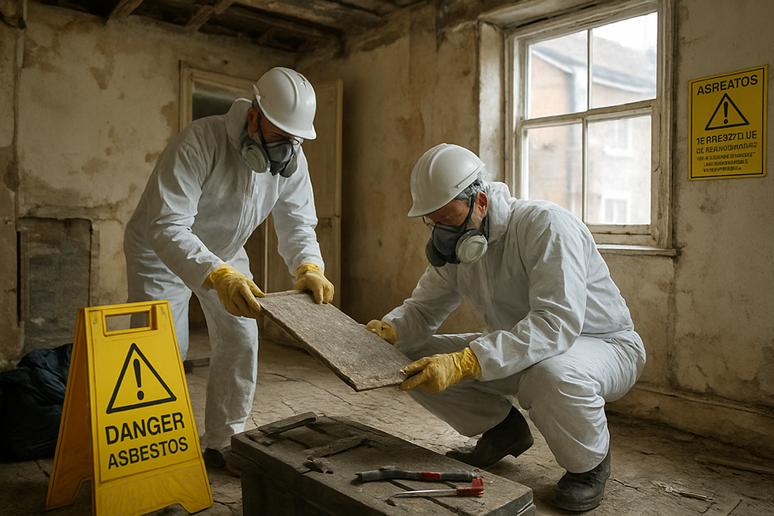
Asbestlint might not be a term you hear every day, but in the UK, it’s actually a pretty serious health and safety issue. Think of it as tiny asbestos fibres you can’t even see—yet these little guys can cause a lot of trouble if they end up in the air we breathe. Whether you own an older home, rent, or manage a workplace, understanding what asbestlint is and what risks it carries is really important for keeping everyone safe.
What Is Asbestlint? Getting to Know This Sneaky Material
In simple terms, asbestlint is the dust-like asbestos fibres that old UK buildings can release when asbestos materials start to break down. These fibres are so small you can’t see them with the naked eye, which makes them especially dangerous. They often form as thin, flexible strips that float in the air when disturbed—kind of like invisible troublemakers.
Back in the day, asbestos was considered a miracle material. It resisted fire, heat, and chemicals like a champ, so builders loved using it in all sorts of places—from insulating pipes and boilers to roofing and even floor tiles. It was everywhere from the late 1800s until it got completely banned in 1999.
Why Asbestlint Is a Big Health Concern
The real danger of asbestlint comes from its ability to become airborne. When these tiny fibres are inhaled or swallowed, they can settle deep in your lungs or other organs and cause serious problems—sometimes decades later. That’s why managing asbestos materials properly is so crucial.
Some of the nasty illnesses linked to asbestos include asbestosis, which is a chronic lung disease, lung cancer, and mesothelioma—the latter being a particularly aggressive cancer tied closely to asbestos exposure. And kids or folks with breathing issues? They’re especially at risk. The tricky part is that symptoms can take years to show up, so you might not even realize you’ve been affected until it’s too late. To put this in perspective, about 5,000 people in the UK lose their lives each year due to diseases caused by asbestos.
Where Can Asbestlint Hide in UK Homes and Workplaces?
If your building dates back before 2000, there’s a chance asbestlint is lurking somewhere inside. It was used in so many different ways that it could show up in unexpected spots. Here’s a quick rundown of usual suspects:
- Textured coatings on walls and ceilings
- Asbestos insulating boards around doors
- Older vinyl floor tiles and the glue holding them down
- Outside, in asbestos cement roofing sheets on garages and sheds
- Soffits, fascias, and drainpipes on the outside of buildings
Because it’s been used so widely, it’s really important to check thoroughly before doing any renovation or repair work, just to be safe.
How to Spot and Test for Asbestlint in the UK
Honestly, spotting asbestlint yourself is no picnic. It’s tiny and sneaky, and even signs like fraying or discoloration might not give it away for sure. The safest bet? Let the pros handle it. Trying to do it yourself can accidentally release fibres into the air, which is exactly what you want to avoid.
When you hire a professional asbestos inspector in the UK, they follow strict rules to safely take samples without stirring up dust. These samples then go to UKAS-accredited labs for careful testing. Thanks to these strict standards and regulations, you can feel confident that the results are accurate and official.
Managing and Removing Asbestlint Safely
Got a hunch that asbestlint might be hanging around? First off—don’t touch it or try to clean it yourself. Just disturbing it can send nasty fibres into the air. Instead, restrict access to the area and let people know about the risk.
When it comes to getting rid of asbestlint, only UK licensed asbestos professionals should be on the job. They have all the training and gear to contain and remove asbestos safely, making sure it doesn’t become an even bigger problem. Plus, they follow the rules for disposing of asbestos waste properly.
Why You Really Need Professionals for Asbestlint Work in the UK
Handling asbestlint isn’t just tricky—it’s potentially deadly and, importantly, regulated by law. The Control of Asbestos Regulations 2012 means you’re legally expected to hire certified experts to take care of any asbestos work. These pros know the ins and outs of safety protocols, legal requirements, and the right equipment to keep everyone safe.
Thinking of DIY? Trust me, it’s not worth the risk. Not only could you expose yourself and others to serious harm, but you could also face legal trouble. Let the licensed professionals handle it—they’re on top of everything from start to finish.
What to Do If You Suspect Asbestlint in Your Property
If you think your property might have asbestlint, don’t panic—but do act quickly. The last thing you want is to touch or disturb the area or try to clean it with a regular vacuum (that just kicks fibres back into the air).
Seal off the area if you can, and then get in touch with an accredited asbestos surveyor or a licensed removal company straight away. They’ll do a professional check, handle testing, and guide you on next steps. Also, keep notes and records of everything—communication, test results, and advice—to stay on top of the situation and protect everyone.
Wrapping Up: Staying Smart and Safe Around Asbestlint in the UK
Being cautious about asbestlint is about more than just knowledge—it’s about taking action. Knowing what it is, where it might be hiding, and the serious health risks it poses is your first line of defence. Remember, asbestos-related diseases can take years to show up, so vigilance is key.
When in doubt, always call in the experts for identification, testing, and removal. That way, you’re protecting yourself, your loved ones, and your community while following UK safety rules. Staying informed and careful goes a long way in keeping those hidden dangers at bay.
Take Action Now
Worried about asbestlint in your property? Don’t wait around. Reach out to local accredited asbestos inspection services in the UK for a professional check-up and advice. And for more detailed info about asbestos safety and regulations, the Health and Safety Executive (HSE) website is an excellent resource to keep you in the know. For further guidance on gas safety checks for landlords, which like asbestos safety is critical in ensuring property compliance, be sure to check out trusted resources and professional services.