

The UK roads are gearing up for some big changes, with a bunch of important December UK Driving Law Changes rolling out during 2025 and early 2026. These aren’t just random updates—they’re part of a serious push to modernize rules, encourage greener transport, and make roads safer for everyone. If you’re a driver, keeping up with these changes is going to be super important.
In this article, we’re diving into the key changes you’ll want to know about—things like electric vehicles, new tax rules, urban congestion charges, and the latest safety regulations. Understanding these UK 2025 driving law changes will help you stay on the right side of the law and avoid any nasty fines. Plus, knowing the details makes it easier to make smart choices behind the wheel.
1. What Are the Key December UK Driving Law Changes?
Starting December 2025, a handful of new rules will kick in, shaping how we drive all around the UK. These updates cover everything from vehicle emissions to how we pay for our fuel. Whether you’ve been driving for years or just got your licence, you’re going to notice some of these changes.
The biggest shifts focus on electric vehicle ownership, how vehicles are taxed, and rules for driving in cities. Plus, there’ll be new processes you’ll need to follow—like digital licence checks. It’s clear the government is serious about making roads safer and greener for everyone.
2. Zero Emission Vehicle (ZEV) Mandate: Accelerating the Shift to Green Transport
The Zero Emission Vehicle (ZEV) mandate has been law since January 2024, and it’s pushing the UK towards a cleaner vehicle fleet. By 2025, car makers need to ensure 28% of new cars and 16% of new vans sold are fully electric. Talk about a serious commitment to cutting emissions!
This push is shaking things up in the car market—meaning more electric options for buyers and fewer petrol or diesel choices. While there’s some wiggle room for manufacturers, the big picture goal is clear: by 2035, all new cars and vans should be zero emission. If companies don’t hit their targets, they could face fines of £12,000 per car. That’s not something anyone wants to deal with.
3. Changes to Electric Vehicle Taxation
If you’re an EV owner, here’s something to keep on your radar. From 1 April 2025, the Vehicle Excise Duty (VED) exemption for electric vehicles will be removed. That means EVs won’t get that sweet tax-free status anymore. The idea here? To level the playing field between different vehicle types when it comes to tax.
New electric vehicles registered after that date will face a £10 first-year charge, then an annual fee of £195, according to Gov.uk. Plus, if your EV has a list price over £40,000, there’s an extra £425 charge every year for five years. So, this electric vehicle tax UK update could make owning an EV a bit pricier than before.
4. End of Congestion Charge Exemptions for Electric Vehicles in London
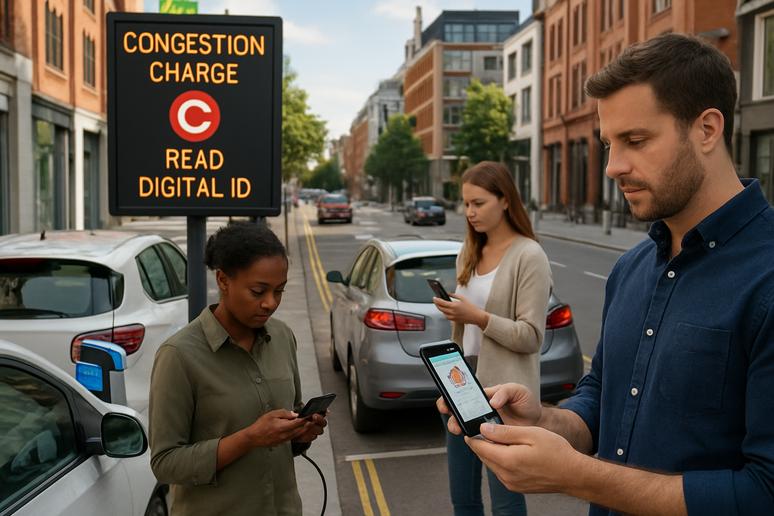
If you drive an electric car in London, change is coming. The free London Congestion Charge exemption for EVs will be scrapped from 25 December 2025, according to Transport for London. For those commuting in the capital, this could change the way your daily costs add up.
Starting 2 January 2026, electric cars will still get a 25% discount—so you’ll pay £13.50 instead of the full £18 charge. Electric vans and HGVs get a bigger 50% cut, bringing the charge down to £9. These UK congestion charge updates mean it’s a good idea to rethink your routes and budgets if you regularly drive through central London.
5. Enhancements in EV Charging Infrastructure and Compliance
With more EVs on the road, the government is cracking down on charging stations to make sure they’re better and easier to use. New regulations kicking in from 2025 will focus on reliability, accessibility, and smoother payment options at charging points nationwide.
Charging providers could face hefty fines—up to £10,000 per non-compliant charger, says Confused.com. That’s a serious incentive to improve. For EV drivers, this means a more consistent and hassle-free charging experience is on the horizon.
6. Increase in Company Car Benefit-in-Kind (BiK) Tax Rates
If you drive a company car, here’s something to keep in mind. From April 2025, BiK tax rates are going up by 1% across the board. What does that mean for you? Basically, a bit more tax to factor into your budget.
Electric company cars will see their BiK tax jump from 2% to 3%, and vehicles with high emissions will face even bigger increases. This makes it worth reviewing any company car arrangements to understand exactly how these changes will hit your wallet.
7. Introduction of the Fuel Finder Scheme
By the end of 2025, the UK will introduce a new Fuel Finder scheme. It sounds simple, but it’s actually pretty clever—a mandatory system where petrol stations share their real-time fuel prices with the public.
The goal? To help you find the cheapest fuel nearby and save some hard-earned cash. While this scheme is rolling out, you can already check out similar apps and websites (Confused.com recommends a few good ones) to hunt down the best fuel deals.
8. Mandatory Driver Assistance Systems in New Cars
Safety geeks, rejoice! Starting in 2025, new cars are expected to come with advanced driver assistance systems (ADAS) as standard. These smart features help prevent accidents by boosting awareness and even taking action when needed.
Think lane-keeping assistance and autonomous emergency braking—systems that can actually step in to avoid collisions. These new UK driver safety regulations could seriously cut down on road accidents and keep everyone safer out there.
9. New Safety Regulations for Heavy Goods Vehicles (HGVs) in London
From 4 May 2025, if you’re involved with Heavy Goods Vehicles in Greater London, you’ll need to know about new safety permits under Transport for London’s Direct Vision Standard (DVS). These permits are all about protecting vulnerable road users like cyclists and pedestrians by reducing blind spots.
The process checks how well a driver can see directly out of their cab, and if visibility is low, extra safety tech like cameras and sensors will be required to get the permit. This is going to affect freight operators quite a lot but it’s a game-changer for urban road safety.
10. Scotland’s Nationwide 20mph Speed Limit Rollout
Scotland is taking a big step for road safety in 2025, rolling out a nationwide default 20mph speed limit in urban and residential areas. This move is all about making streets safer, especially for pedestrians and cyclists, while encouraging a healthier lifestyle.
Lower speeds mean fewer accidents and safer communities—it’s a trend echoing changes across the UK and Europe aiming for greener, more liveable cities. So, if you’re driving in Scotland, brush up on these new limits.
Conclusion
The December UK Driving Law Changes are ushering in a fresh era for drivers across the UK. From new tax rules targeting electric vehicles to tougher safety standards, these updates highlight a big shift towards cleaner and safer roads. Staying in the loop with these regulations isn’t just about avoiding fines—it’s about keeping up with how driving is evolving around you.
Make it a habit to check official government updates and trusted motoring sources regularly. Tools like insurance comparison sites and fuel finder apps can be your best friends when navigating these changes. Being proactive will make the transition a whole lot smoother.
Don’t forget to review your vehicle tax and company car situations before April 2025 to dodge any surprise charges. Signing up for alerts on upcoming driving laws can also keep you a step ahead. And if you’re thinking about insurance or electric vehicle charging, getting familiar with new options now will definitely help you save money and stay compliant down the road.